
The Parrish Car Accident & Personal Injury Law Firm | January 26, 2026 | Car Accidents
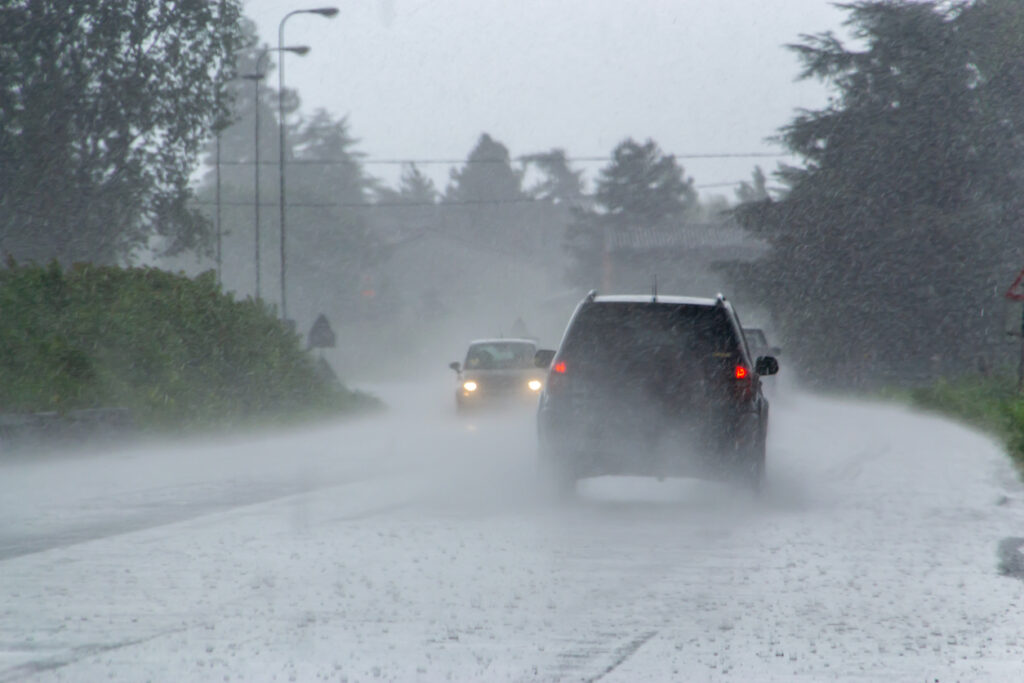
A significant winter storm is forecast to hit Northern Virginia this weekend, bringing the potential for snow, sleet, freezing rain, and rapidly changing temperatures. When conditions shift this quickly, roads that look safe one moment can become dangerously slick the next—turning an ordinary drive into a serious winter car accident.
At The Parrish Car Accident & Personal Injury Law Firm, our priority is your safety. As this weekend’s storm approaches, it’s important to take extra precautions to protect yourself and your family.
Below are practical, timely steps to help you stay safe during the storm, with special attention to black ice, reduced visibility, and other winter driving hazards that commonly lead to crashes during severe weather events.
1) Prepare Before the Storm Hits
A little planning goes a long way.
Check Weather and Road Conditions Early
If local officials are advising limited travel, take it seriously. If you can work remotely, adjust plans now. If you must travel, plan a route that prioritizes major roads that are more likely to be treated.
Stock Basic Supplies
Keep batteries, flashlights, blankets, bottled water, and nonperishable snacks on hand. Charge phones and power banks. Make sure you have rock salt or ice melt for walkways, and set aside a bag for elderly neighbors who might need help clearing a path.
Prevent Slips at Home
Winter storms don’t just cause car crashes—they also cause falls. Clear steps and sidewalks promptly and use salt or sand to add traction. Wear shoes with grip and take short, careful steps.
2) Winterize Your Vehicle
Winter driving is less forgiving. A car that’s slightly overdue for maintenance can become dangerous on icy roads.
Do a quick winter check on:
- Tire tread and pressure (cold air lowers pressure)
- Wiper blades and windshield washer fluid rated for freezing temps
- Headlights and brake lights (visibility matters)
- Battery health (cold weather strains batteries)
- Brakes and antifreeze levels
You should also build a winter emergency kit and keep it in your trunk.
Be sure to include:
- Blanket, gloves, hat
- Small shovel and ice scraper
- Jumper cables
- Flashlight, reflective triangles, or flares
- Sand or kitty litter (for traction if stuck)
- Water and snacks
A well-stocked winter emergency kit can make a critical difference if you’re stranded or stuck in icy conditions—helping you stay warm, visible, and safe until help arrives.
3) Slow Down—More Than You Think You Need to
Speed is one of the biggest factors in winter car accidents. The goal isn’t to drive like you normally do—it’s to drive like stopping will take longer and steering will respond slower.
Give yourself extra time and space. Increase your following distance to at least 6–10 seconds on snow or ice. Brake earlier and more gently than usual. Avoid sudden turns, quick lane changes, and hard acceleration.
Use low beams in snow and freezing rain. High beams can reflect off precipitation and reduce visibility.
4) Understand Black Ice (And How to Avoid it)
Black ice is especially dangerous because it can look like a wet patch of road—until your tires lose traction. It commonly forms when temperatures hover around freezing and moisture freezes quickly on pavement.
Where black ice is most likely:
- Bridges and overpasses (they freeze first)
- Shaded areas (the sun doesn’t melt ice as quickly)
- Intersections and ramps
- Near bodies of water or low-lying areas
- Early morning and late evening when temps drop
How to spot it: If the pavement suddenly looks glassy or “too shiny,” treat it like ice. Also watch other vehicles: if you see a car ahead fishtail or brake lights flash suddenly, assume slick conditions.
5) If You Start to Slide, Don’t Panic
Skids happen quickly, but your response matters.
If your car skids:
- Take your foot off the gas
- Avoid slamming the brakes
- Steer gently in the direction you want the front of the car to go
- Keep your eyes on where you want to end up, not the obstacle
If you have ABS brakes (most modern vehicles do), you can brake firmly and let the system pulse. If you don’t, pump the brakes gently. Either way, sudden movements make the skid worse.
6) Know When Not to Drive
Sometimes the safest choice is simply staying off the roads—especially during freezing rain or when plows and salt trucks can’t keep up. If you must travel, consider delaying your trip until after roads are treated. Avoid unnecessary errands, and don’t let pressure from schedules push you into dangerous conditions.
7) If a Winter Car Accident Happens, Protect Yourself
Even careful drivers can be hit by someone who’s speeding, following too closely, or driving on bald tires.
After a crash:
- Move to a safe location if possible and call 911
- Document the scene (photos of vehicles, road conditions, skid marks, signs)
- Exchange info and get witness contact details
- Seek medical care—even if pain seems minor at first
- Notify your insurance, but be cautious with recorded statements
Taking these steps after a winter car accident can help protect your health, preserve critical evidence, and safeguard your legal rights during an already stressful situation.
Contact The Parrish Car Accident & Personal Injury Law Firm for a Free Consultation
Winter storms can cause serious injuries and expensive damage—especially when black ice turns a small mistake into a major collision. If you or a loved one is injured in a winter car accident, The Parrish Car Accident & Personal Injury Law Firm can help you understand your options and protect your rights.
If you need guidance after a crash, reach out for a consultation. We have two convenient locations in Manassas, VA and Fairfax, VA.
The Parrish Car Accident & Personal Injury Law Firm Manassas
9208 Lee Ave, First Floor, Manassas, VA, 20110
(571) 229-1800
Open 24/7
Our firm is located near you. We have an office in Manassas
Find us with our GeoCoordinates: 38.7523907,-77.5566859
The Parrish Car Accident & Personal Injury Law Firm Fairfax
4000 Legato Rd #1100, Fairfax, VA, 22033
(571) 200-5424
Open 24/7
Our firm is located near you. We have an office in Fairfax
Find us with our GeoCoordinates: 38.8657713,-77.3652474