


Car accidents are sudden, violent events that can cause a wide range of injuries — some obvious, others hidden and potentially life-threatening. Among the most serious and commonly overlooked consequences of a collision are chest injuries. The chest houses vital organs such as the lungs and heart, and trauma to this area can range from minor discomfort to life-altering complications.
It is helpful to understand the types of chest injuries that can occur if you’re involved in a crash, the symptoms to watch for, how they’re diagnosed and treated, and why timely care matters.
How Chest Injuries Happen in Auto Accidents
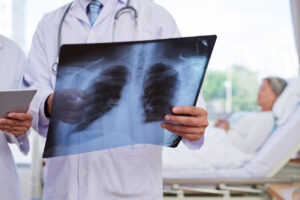
During a crash, the body is subjected to forces far greater than most people’s everyday experience. Even when wearing safety equipment like seat belts and airbags, the rapid deceleration and impacts against interior parts of a vehicle can transfer enormous energy into the chest area. Blunt force trauma — forceful impact without penetration — is the most common mechanism in car crashes and accounts for a large percentage of chest trauma cases.
This trauma can occur from:
- Seatbelt pressure across the chest during sudden stops
- Airbag deployment
- Hitting the steering wheel, dashboard, or door
- Secondary impacts inside the vehicle
- Rapid forward/backward motion
In many cases, symptoms aren’t immediately obvious — adrenaline can mask pain at the scene, and injuries may worsen over hours or days.
Common Types of Chest Injuries After a Crash
Chest injuries after a motor vehicle accident are varied. Some are relatively minor, while others can be life-threatening if not diagnosed and treated promptly.
Rib Fractures
Rib fractures are among the most common chest injuries in auto accidents. When the chest is pressed forcefully against the seat belt or interior surfaces, one or more ribs can break. Broken ribs can cause sharp pain, especially when breathing deeply or coughing.
Sternal Fractures
The sternum or breastbone can also fracture under high-impact collisions. These injuries often come with significant pain and tenderness in the center of the chest. They can signal more serious internal trauma, as sternum fractures are linked to injuries of surrounding organs.
Soft Tissue Injuries
Not all chest pain after a crash is due to broken bones. Bruises, strains, and sprains of muscles, tendons, and cartilage are common, especially where the seat belt contacts the body. Soft tissue injuries can be painful and impede breathing or movement.
Pulmonary Contusion
A pulmonary contusion is a bruise of the lung tissue itself. This condition interferes with the lungs’ ability to move oxygen into the bloodstream and can develop even when the chest wall appears intact. It is a serious injury often requiring hospital observation.
Collapsed Lung
In a pneumothorax, air leaks into the space between the lung and chest wall, causing the lung to collapse. This can result in sudden chest pain and shortness of breath that requires urgent medical care.
Internal Organ Damage
Trauma to the chest can impact the heart and major blood vessels. Conditions such as cardiac contusion (bruised heart muscle), blood vessel tears, or other internal bleeding can be life-threatening and may not present clear early symptoms.
Flail Chest
A rare but dangerous injury, flail chest occurs when multiple ribs break in the same area, causing a segment of the chest wall to move independently. This compromises breathing and often necessitates intensive care.
Signs and Symptoms to Watch For
Some chest injuries are obvious — others are subtle. After a crash, take all discomfort seriously, especially if it’s persistent or worsening.
Common signs include:
- Sharp or aching chest pain
- Pain that worsens with breathing, coughing, or movement
- Difficulty breathing or shortness of breath
- Bruising, swelling, or tenderness on the chest
- Dizziness, fainting, or rapid heartbeat
- Pain that radiates to the shoulder, arm, neck, or jaw
- Coughing up blood
These signs can indicate a catastrophic injury and warrant immediate evaluation by a medical professional.
Medical Evaluation and Diagnosis
If you suspect chest trauma after an accident, prompt medical care is crucial.
Physicians may begin with:
- Physical examinations
- X-rays
- CT scans
- Ultrasounds
Diagnostic imaging is critical for identifying injuries that aren’t visible on the surface.
Treatment and Recovery
Treatment depends on the type and severity of the injury.
Consider the following:
- Minor soft tissue injuries: Rest, ice, pain relief medications, and limited activity
- Rib or sternal fractures: Pain management, breathing exercises, and sometimes braces
- Pneumothorax: Chest tube placement and close monitoring
- Pulmonary contusions: Hospital care for respiratory support
- Severe internal injuries: Emergency surgery or intensive care
Adhering to medical advice and attending follow-up appointments is essential to avoid complications such as pneumonia or chronic pain.
Contact the Manassas Car Accident Lawyers at The Parrish Car Accident & Personal Injury Law Firm for a Free Consultation
Chest injuries after a car accident can range from moderate to life-threatening. Because the chest protects critical organs and supports essential functions like breathing and circulation, trauma in this area deserves serious attention. Understanding the types of injuries, recognizing symptoms, and pursuing immediate medical care are the first steps in protecting your health and well-being after a crash.
For more information, contact The Parrish Car Accident & Personal Injury Law Firm or call (571) 229-1800 for a free consultation with a car accident attorney.
