


If you are involved in a car accident in Virginia, one of the first questions that matters is who was “at fault.” In simple terms, “at fault” means the driver whose actions caused the crash. Fault determines who pays for injuries, vehicle damage, and other losses.
Virginia uses some of the strictest fault rules in the country. Even a small amount of blame on your part can affect your case. Understanding how fault works is essential to protecting your rights and your ability to recover compensation.
What Does “At Fault” Mean?
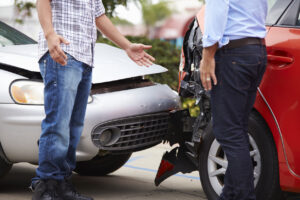
A driver is considered at fault when their negligence or wrongful actions caused the collision. Negligence means they failed to act with reasonable care and caution.
In car accidents, this often includes:
- Speeding or driving too fast for conditions
- Running a red light or stop sign
- Following too closely
- Failing to yield
- Distracted driving
- Driving under the influence
If a driver violates a traffic law and causes a crash, that violation can be strong evidence of fault.
Virginia’s Contributory Negligence Rule
Virginia is one of only a few states that follow the pure contributory negligence rule. Under this rule, if you are even 1 percent at fault for the crash, you may be barred from recovering any compensation from the other driver.
This rule applies even if the other driver was overwhelmingly responsible, for example:
- A driver speeds through an intersection
- You legally enter the roadway but fail to see them because you were adjusting your radio
- Even a small level of distraction can be used to argue contributory negligence
Because this rule is so strict, insurers often look for ways to blame injured drivers. Any statement you make, any inconsistency, or any small mistake at the crash scene can become part of their argument.
How Fault Is Determined After a Crash
Several types of evidence help determine who caused the collision.
This may include:
- Police reports
- Photographs or video footage
- Witness statements
- Skid marks or vehicle damage patterns
- Cell phone records
- Traffic camera data
- Statements from accident reconstruction experts
Insurance companies review this evidence and decide who they believe caused the accident. They may then deny your claim if they think you share any amount of fault.
What Happens if the Other Driver Is Clearly at Fault?
If the other driver caused the crash and you did nothing wrong, you can seek compensation through their liability insurance.
This may include payment for:
- Medical bills
- Lost wages
- Property damage
- Pain and suffering
- Long-term disability or future losses
However, the insurance company may still try to find reasons to argue that you contributed to the accident. That is why detailed evidence and consistent documentation are important.
How Fault Affects Insurance Claims in Virginia
Virginia is an at-fault state, which means:
- The at-fault driver’s insurer pays for the damage they caused
- You may file a claim with your own insurer or the other driver’s insurer
- If insurers disagree on fault, the claim may be delayed or disputed
If the insurer claims you share even a slight responsibility, they may refuse to pay. This is common in states that recognize contributory negligence.
Examples of At-Fault Scenarios
Here are examples of situations where a driver is usually considered at fault:
- A driver rear-ends another car that stopped at a red light
- A driver turns left into oncoming traffic
- A driver drifts into another lane while using a phone
- A driver runs a stop sign and hits a turning vehicle
In each situation, the driver’s violation of a traffic rule helps determine fault.
What if Both Drivers Contributed to the Crash?
In most states, you could recover partial compensation even if you were slightly at fault. But in Virginia, contributory negligence prevents recovery if you contributed in any way.
For example, a driver runs a red light and hits another car. The injured driver was going slightly over the speed limit. Even a small speeding violation might be enough for an insurer to argue contributory negligence.
Can You Challenge an Insurance Decision About Fault?
Yes. If the insurer wrongly blames you for the accident, you can challenge their decision by:
- Providing additional evidence
- Getting statements from witnesses
- Requesting accident reconstruction
- Filing a claim directly against the at-fault driver
- Pursuing a lawsuit
A strong factual record can help push back against unfair or inaccurate blame.
Contact the Manassas Car Accident Attorneys at The Parrish Car Accident & Personal Injury Law Firm for Help Today
Fault plays a major role in Virginia car accident claims, especially because of the contributory negligence rule. Even a small mistake can impact your ability to recover compensation. Understanding how fault is determined and what evidence matters can help you protect your rights after a collision.
If you’ve been in a car accident, The Parrish Car Accident & Personal Injury Law Firm is here to help. Our Manassas car accident lawyers can help get the compensation you deserve. Contact us today or call (571) 229-1800 for a free consultation.
